Beginner's Guide - Top mistakes to avoid
Beginner’s Guide: Top Mistakes to Avoid Fly Fishing in Montana
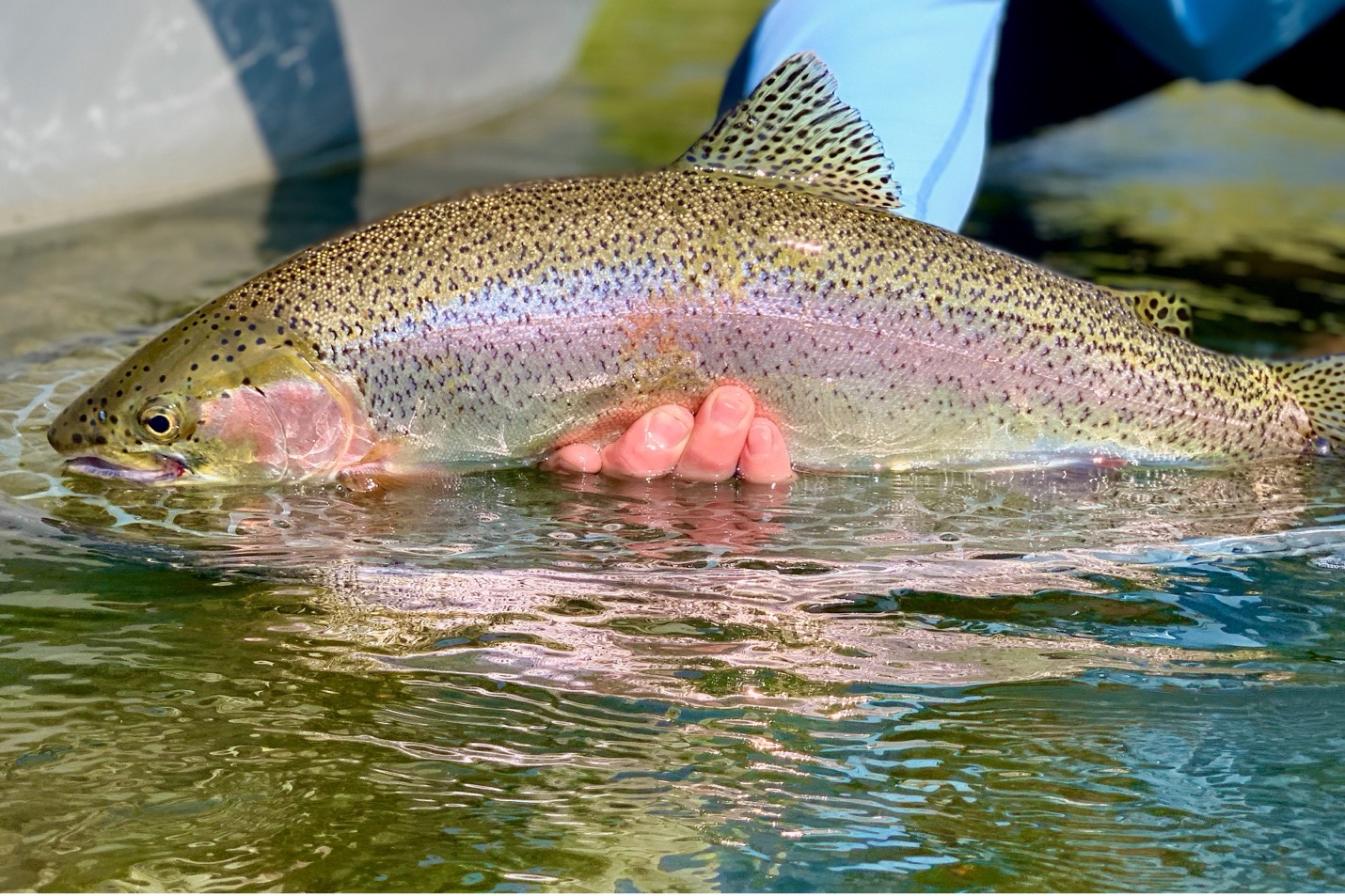
Most anglers picture their first day fly fishing in Montana the same way: a quiet blue ribbon river, trout rising behind every rock, and a photo at the end of the day with a thick 20 inch rainbow.
Sometimes it works out exactly like that.
Other days look a little different. Wind knots appear out of nowhere, trout refuse what seems like the perfect fly, and wading a Montana river suddenly feels more complicated than expected.
That gap between expectation and reality is where most first time anglers struggle.
The good news is that the mistakes are usually simple and easy to fix. After guiding anglers from all over the world on Montana’s rivers, we see the same handful of issues show up again and again.
In this guide, Montana Trout Hunters breaks down the most common mistakes anglers make when fly fishing in Montana and the simple adjustments that lead to better drifts, safer wading, and far more productive days on legendary trout water.
Mistake #1: Fishing the Wrong Water
One of the biggest mistakes anglers make when fly fishing in Montana is simply fishing the wrong water.
Trout do not spread themselves evenly throughout a river. They hold in specific places that provide food, protection from current, and security from predators.
Flat calm water that looks beautiful to the human eye can be very difficult to fish. Trout rising in glassy water often have plenty of time to inspect your fly, which means even small imperfections in presentation can lead to refusals.
Instead focus on water that concentrates food and provides trout with a comfortable place to hold. Productive areas often include current seams, riffles that drop into deeper buckets, undercut banks, and structure that funnels drifting insects directly to the fish.
Another common mistake is ignoring the water closest to the bank. Large trout frequently hold just inches to a couple feet from shore, especially along grassy banks or beneath overhanging structure. Many anglers wade past this water before ever making a cast.
Water temperature and seasonal conditions also influence where trout hold. Early in the season when river temperatures are still cold, trout often prefer slower and softer water where they can conserve energy.
Every year I watch anglers unsuccessfully fishing fast riffles in April while the trout are sitting comfortably in slower water nearby.
Learning to recognize the right water is one of the most important skills in fly fishing. Once you begin to understand where trout prefer to hold, the entire river starts to look different.
If you can learn to identify the right water and present your fly naturally, you are already ahead of most anglers visiting Montana.
Mistake #2: Casting for Distance Instead of Presentation
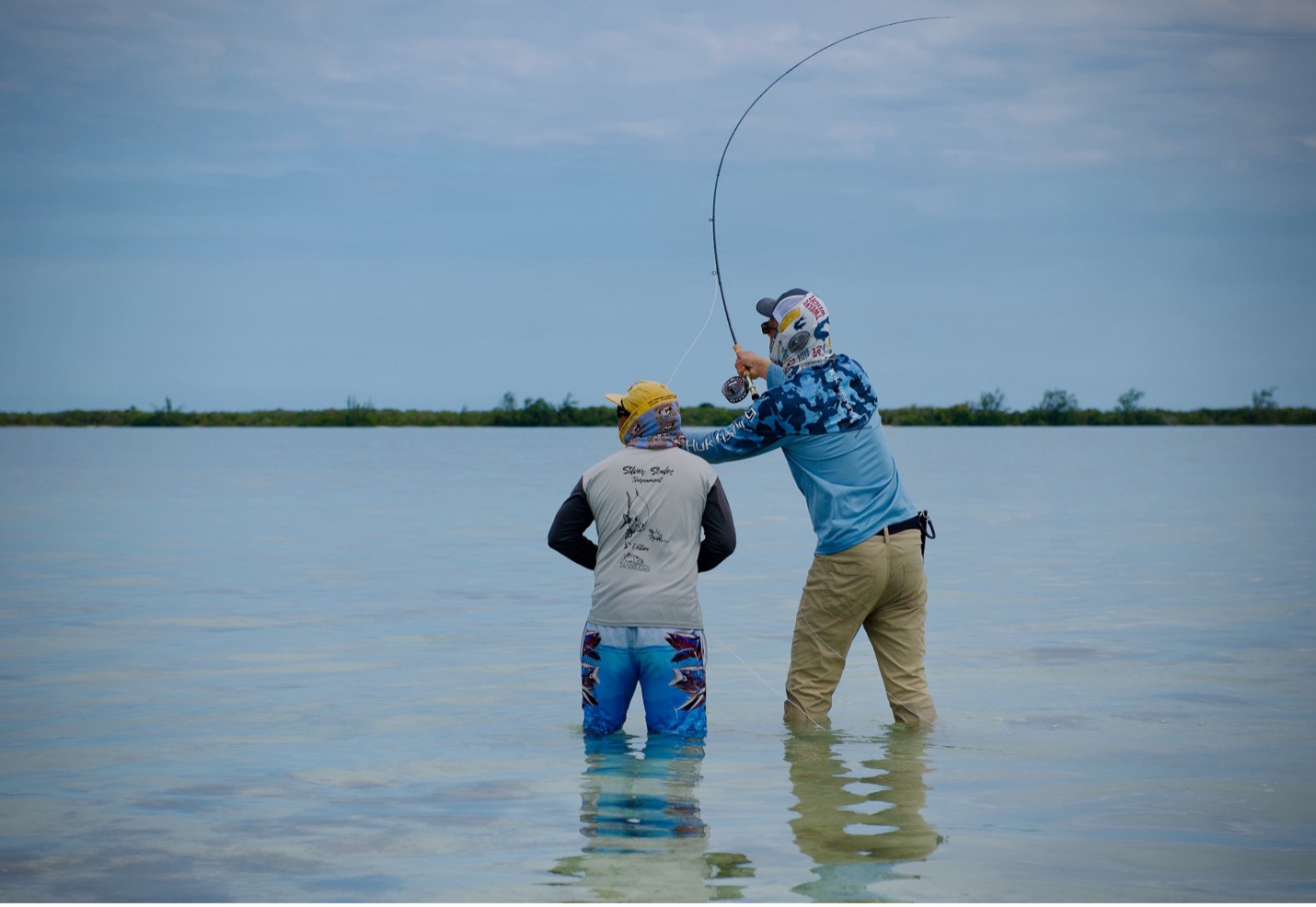
One of the biggest misconceptions in fly fishing is that success comes from casting farther. In reality success usually comes from casting better.
Fly fishing has a lot in common with golf. The harder you try to force it, the worse the result tends to be. Good casting is built on timing, rhythm, and technique, not raw power.
Many beginners try to bomb long casts across the river when most trout in Montana are caught much closer than that. On the majority of Montana rivers, an accurate 10 to 30 foot cast paired with a clean drag free drift is far more effective than a long cast that lands with drag.
Trout are extremely sensitive to movement above the water. Repeated false casting directly over feeding fish can quickly put them down.
Whenever possible try to deliver the fly with one false cast or less before placing it on the water. A simple and efficient cast keeps your presentation natural and gives wary trout far fewer reasons to refuse your fly.
In fly fishing, presentation almost always beats distance.
Mistake #3: Poor Line Mending
Proper line mending is directly responsible for catching more trout than any other technique in fly fishing. After guiding well over a thousand days on Montana rivers, I can say with confidence that nothing matters more.
Most trout feed below the surface of the water, where roughly 80 percent of their diet is consumed. When fishing nymphs or other subsurface flies, a natural drift is everything. If your fly drifts faster or slower than the current because of tension in the fly line, trout will almost always refuse it.
Mending allows you to control the speed of your drift by repositioning the fly line on the water. A well timed mend removes drag and lets the fly move naturally with the current.
Anglers often focus heavily on casting distance or fly selection, but neither matters if the fly is drifting unnaturally.
If you do not know how to properly mend, it is one of the most valuable skills you can learn in fly fishing. It is also one of the first techniques I teach when guiding anglers on Montana rivers.
Mistake #4: Wading Too Quickly or Too Deep
One of the most common mistakes anglers make on Montana rivers happens before the first cast. They step into the water too quickly.
Many trout, especially larger fish, hold surprisingly close to shore in water less than a foot deep. Charging straight into the river often pushes fish out of the very water you should be fishing first.
Before stepping in, take a few minutes to watch the river. Look for rising trout, subtle feeding lanes, and slower seams along the bank. A little patience at the start often leads to the best opportunities of the day.
Wading safety is just as important as fishing success. Every year anglers underestimate the power of Montana’s rivers and get into trouble by wading too deep in fast current.
Move slowly, use a wading staff when needed, and avoid wading deeper than necessary.
Mistake #5: Using the Wrong Gear and Flies
Choosing the right gear for Montana fly fishing is simpler than many anglers think, but small adjustments can make a big difference.
Most trout rivers in Montana are well covered with a 5 or 6 weight fly rod, a 9 foot leader, and 3X to 5X tippet.
On most days 4X tippet is the workhorse for Montana trout fishing. If the water is slightly stained or flows are higher, I often move up to 3X tippet.
Fly selection is another area where anglers are often close but not quite dialed in. Fly size frequently matters even more than the exact pattern, especially when dry fly fishing.
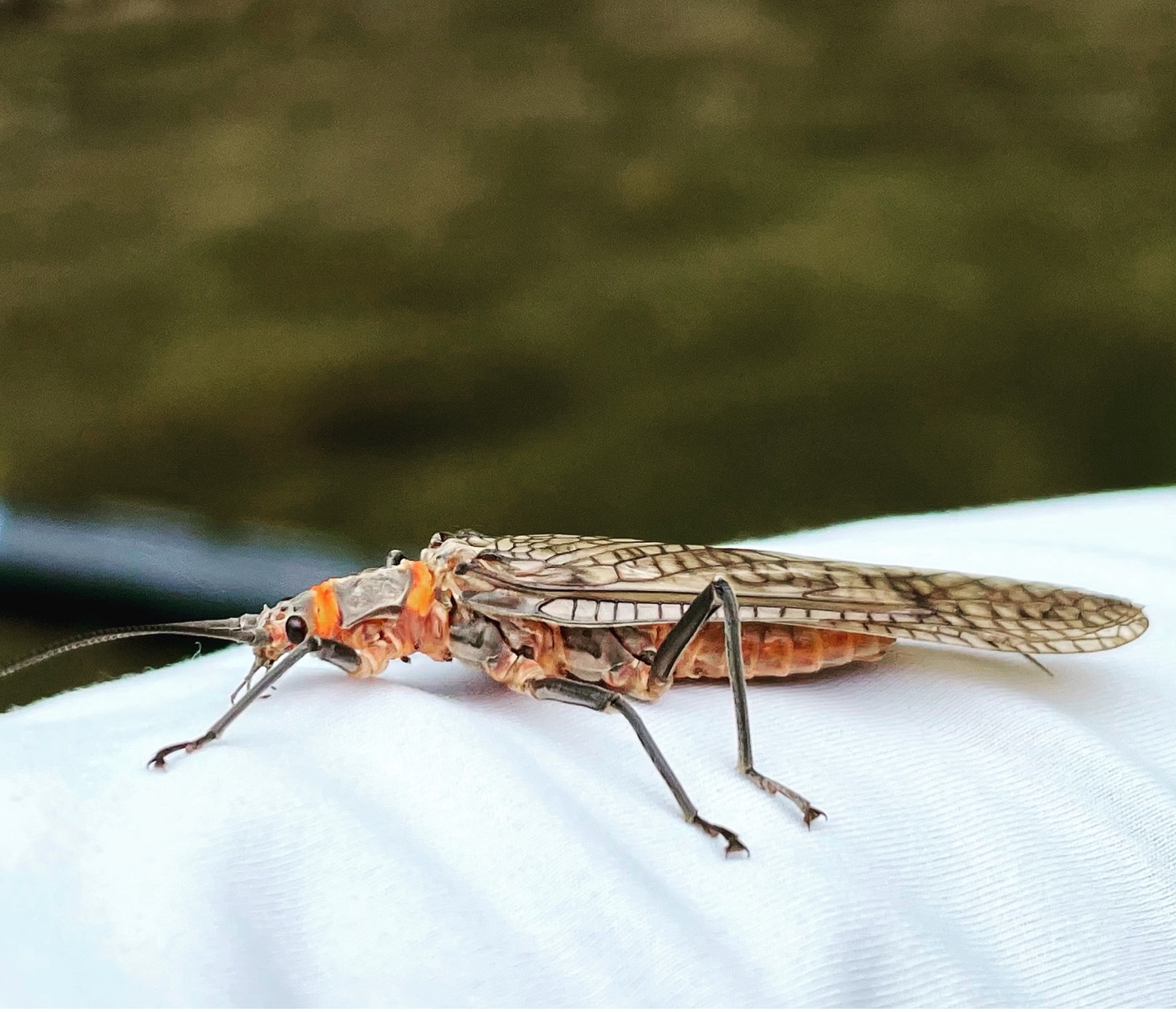
Montana’s rivers follow predictable seasonal hatches including PMDs, salmonflies, caddis, tricos, and terrestrials.
When in doubt stop by a local Montana fly shop before heading to the river.
Mistake #6: Poor Hook Sets and Fighting Fish Downstream
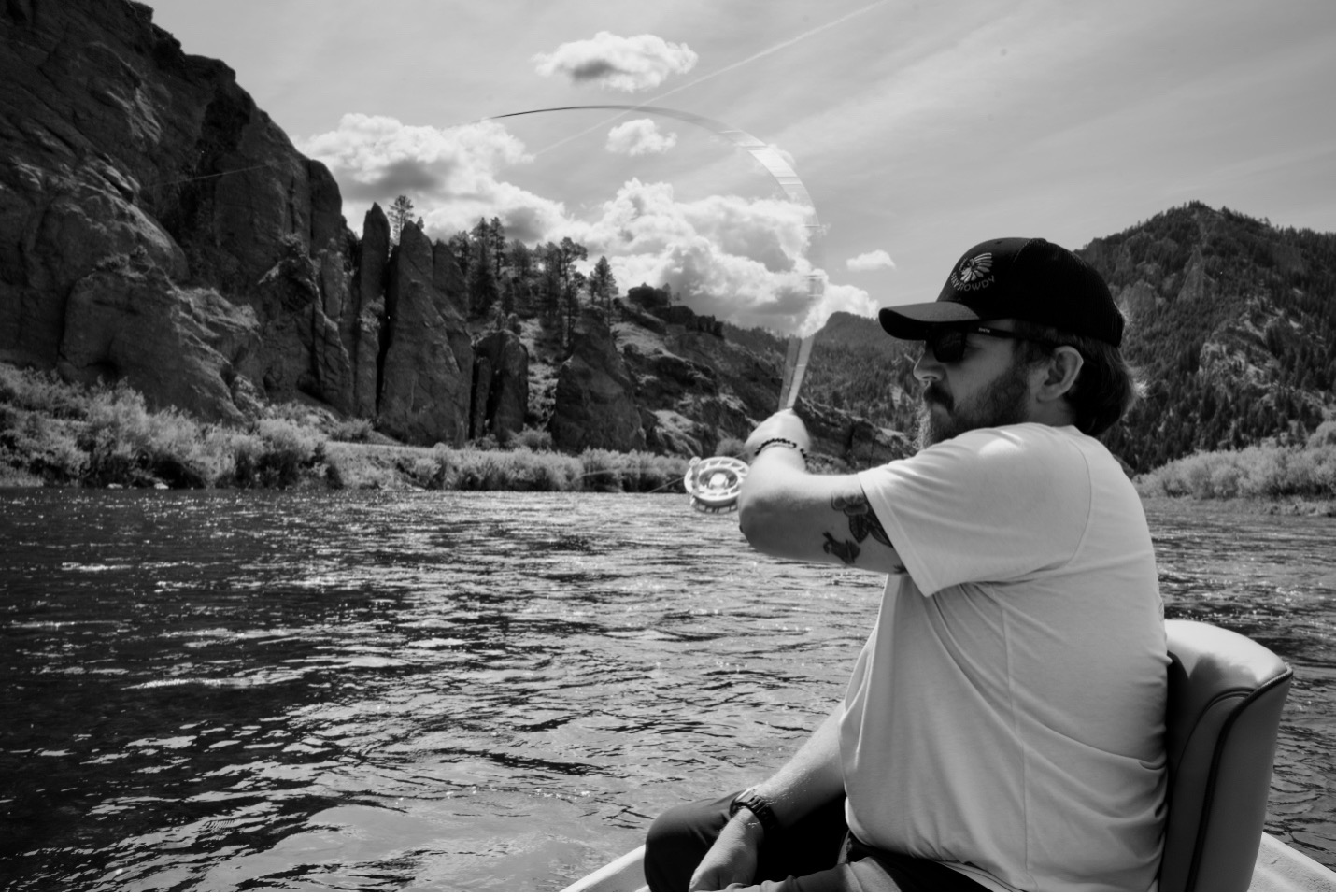
A violent hook set often does more harm than good. Snapping the rod too hard can break your tippet or pull the fly out of the trout’s mouth.
Instead use a smooth lift of the rod and maintain steady side pressure on the fish.
One of the most common mistakes I see is anglers trying to slow a running fish with their hand on the reel spool. Let the reel’s drag do its job.
If a fish gets downstream of you in strong current the odds of losing that fish increase dramatically. Move downstream quickly to regain the proper angle and then reapply steady pressure.
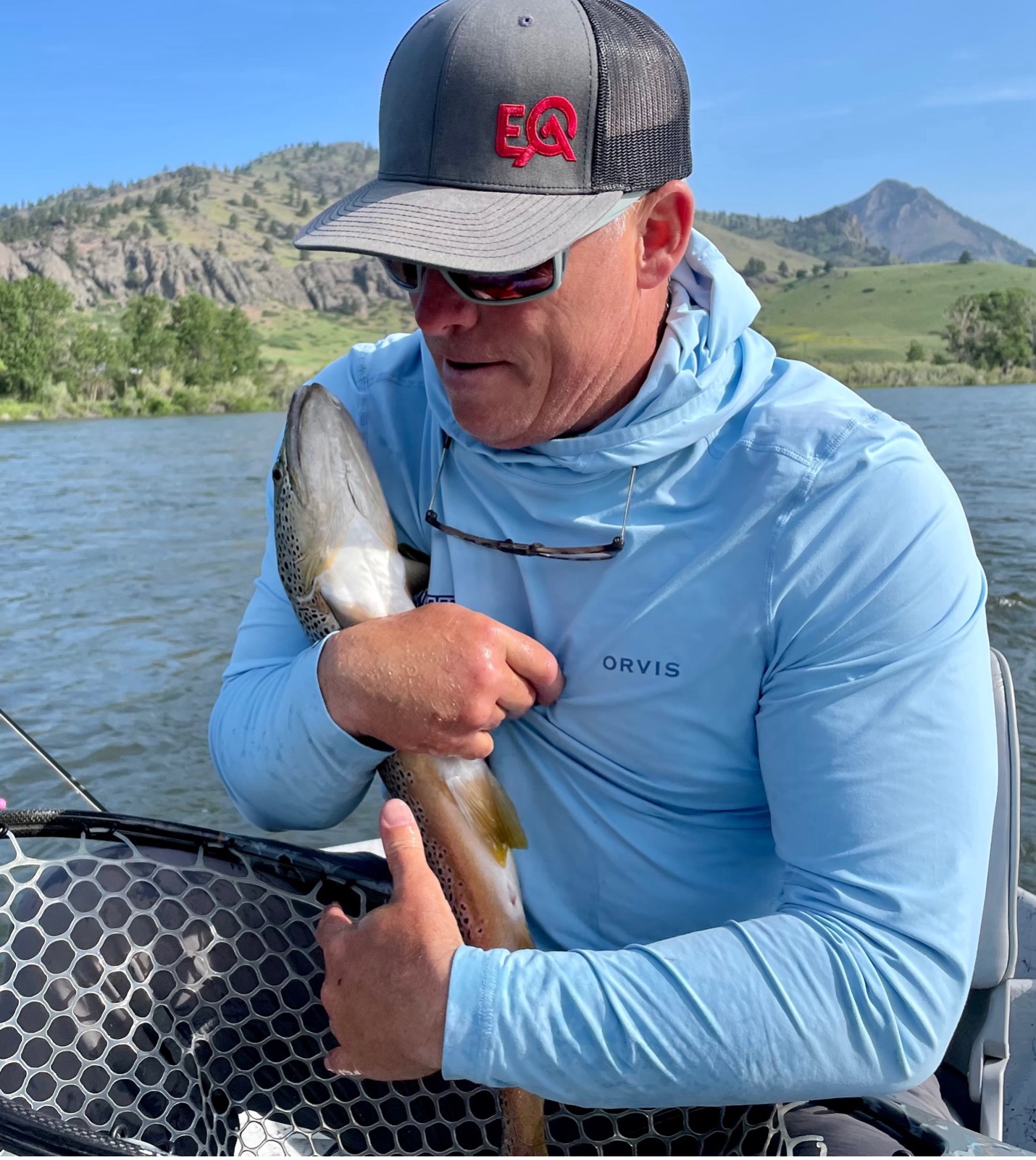
Mistake #7: Mishandling Trout at the Net
Montana has some of the best fly fishing in the lower 48 and these are not pan sized trout.
Bring an appropriately sized landing net and land fish quickly.
Dry hands, long photo sessions, and lifting fish high out of the water can damage a trout’s protective slime layer and reduce its chance of survival.
Use a rubber net, wet your hands, keep fish in the water, and release them facing upstream until they swim away under their own power.
Mistake #8: Ignoring River Etiquette and Access Rules
Montana anglers value space and respect on the water.
If someone is already fishing a piece of water, give them plenty of room and move to the next stretch of river.
Montana’s Stream Access Law allows anglers to fish below the high water mark, but you cannot cross private land to reach the river unless it is a designated access point.
Respect the river and respect other anglers.
Mistake #9: Underestimating Montana Weather
Montana’s weather is some of the most unpredictable in the country. The state holds records for both the fastest temperature rise and fastest temperature drop in U.S. history.
A calm morning can quickly turn into wind, rain, or snow.
Bring a rain shell, sun gloves, polarized sunglasses, and layered insulation.
Staying comfortable helps you stay focused and fish effectively all day.
Mistake #10: Skipping the Local Fly Shop
Conditions on Montana rivers change quickly.
Even after guiding for years, if I have not been on the water for a few days I will call another guide or stop by the fly shop for current information.
Local shops provide valuable intel on hatches, river flows, productive stretches, and which flies are working right now.
That five minute stop can easily save hours of trial and error on the water.
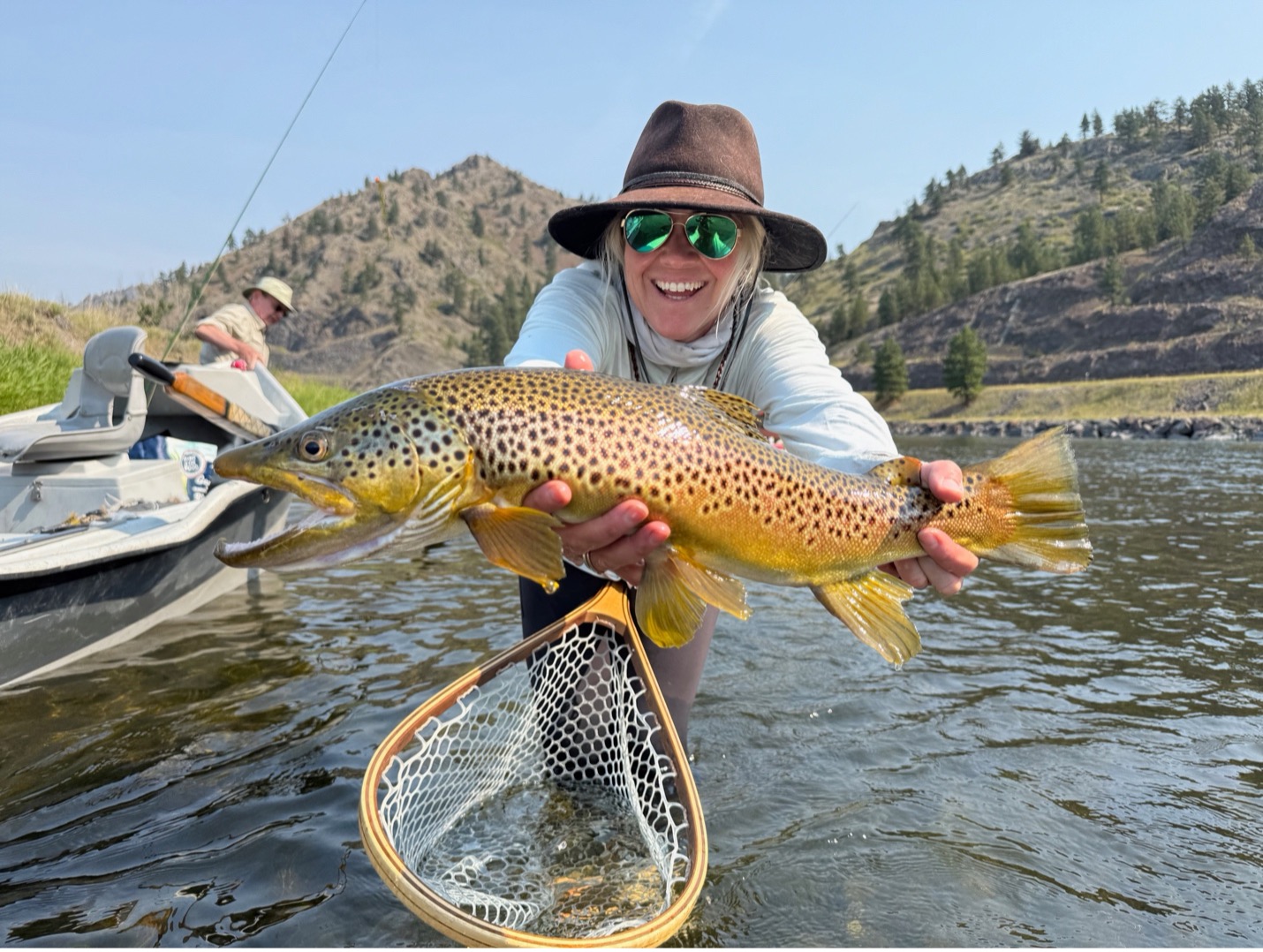
Mistake #11: Not Hiring a Guide
I had been fly fishing for nearly ten years before I could afford to hire my first guide. In one day I learned more than I had in the previous decade fishing on my own.
I believe in it so strongly that I still hire guides every year when I travel to fish new water.
The best guides do more than put clients on fish. They shorten the learning curve and help anglers truly understand the river.
Fly fishing has a way of rewarding patience.
Some days it is about numbers, but many of the best days are about the quiet of the river and one fish that eats exactly the way you hoped it would.
Slow down, keep learning, and enjoy every day you get to stand in a river.
Key Takeaways for Fly Fishing in Montana
• Fish the water where trout actually hold
• Focus on presentation instead of casting distance
• Learn proper line mending for a natural drift
• Observe the river before stepping in
• Respect river etiquette and access rules
• Handle trout carefully to protect the fishery
• Stop by a local fly shop for current conditions
Final Thoughts: Fly Fishing Montana the Right Way
Montana’s rivers have a way of humbling even experienced anglers.
The fish are wild, the water is constantly changing, and every day on the river presents a new puzzle to solve.
With a little patience and attention to detail, many of the mistakes anglers make can be corrected quickly.
If you would like to shorten the learning curve, spending a day on the water with an experienced guide can make an enormous difference.
At Montana Trout Hunters, we specialize in helping anglers of all experience levels build confidence, improve technique, and truly understand Montana’s legendary trout rivers.
Whether you are visiting Montana for the first time or looking to take your fly fishing skills to the next level, the right guidance on the water can change the way you fish forever.


